Pay More, Wait Longer: The Booming Business of Selling You Back Your Own Impatience
Somewhere out there, a grown adult is paying a monthly subscription fee to make their internet slower on purpose. They are happy about it. We investigated.
Back When Everything Was Better
Somewhere out there, a grown adult is paying a monthly subscription fee to make their internet slower on purpose. They are happy about it. We investigated.
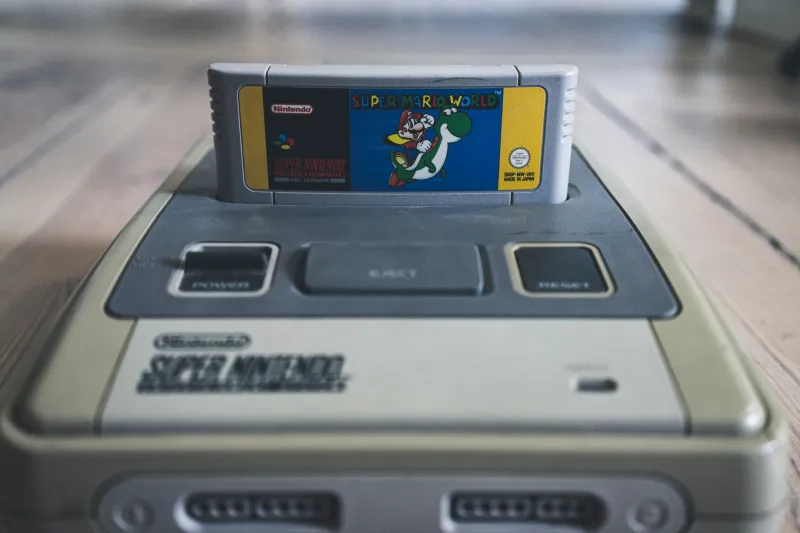
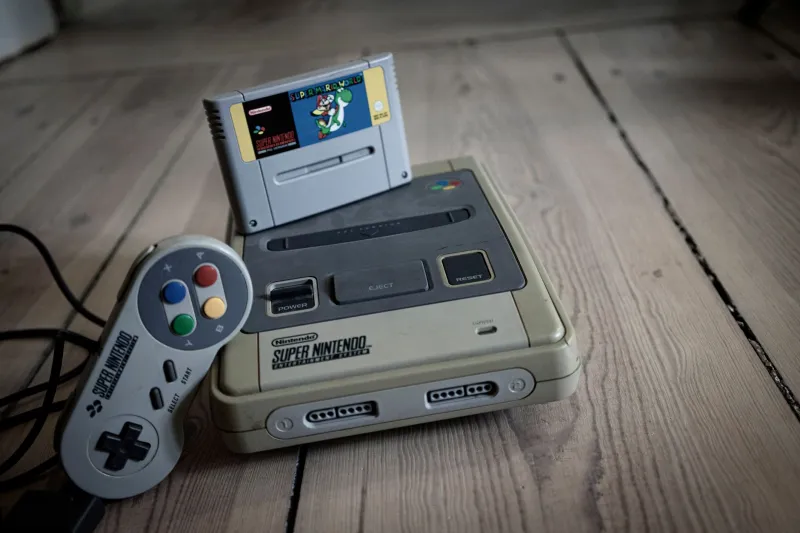
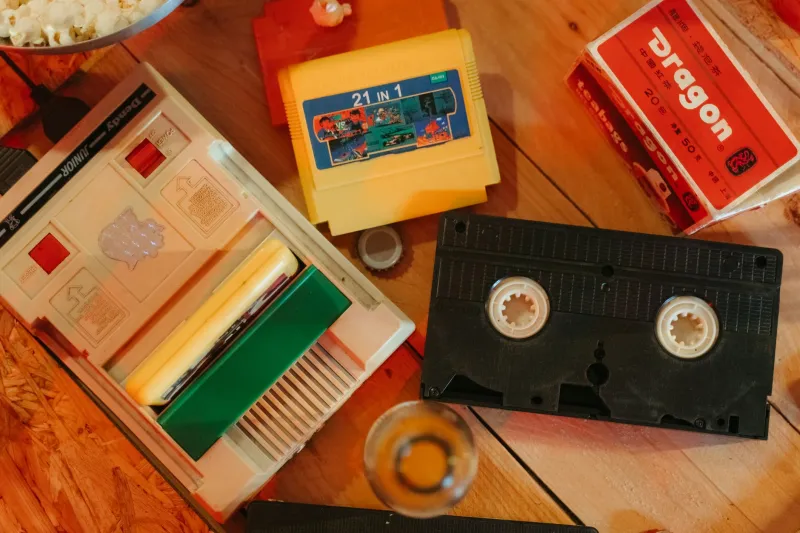
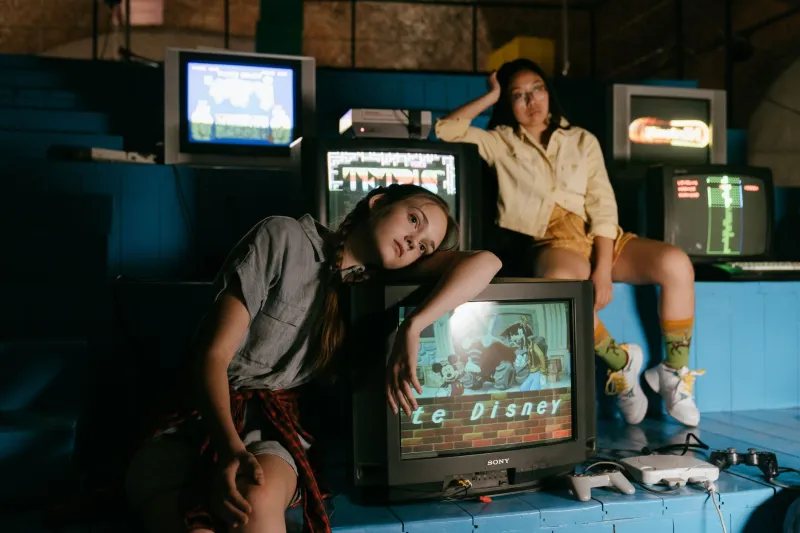
Somewhere between the vendor tables and the cosplay contest, a grown adult just buried their face in a copy of Mega Man 2 and inhaled deeply. They are not embarrassed. They are home. Welcome to the most unexpectedly emotional corner of retro gaming culture.
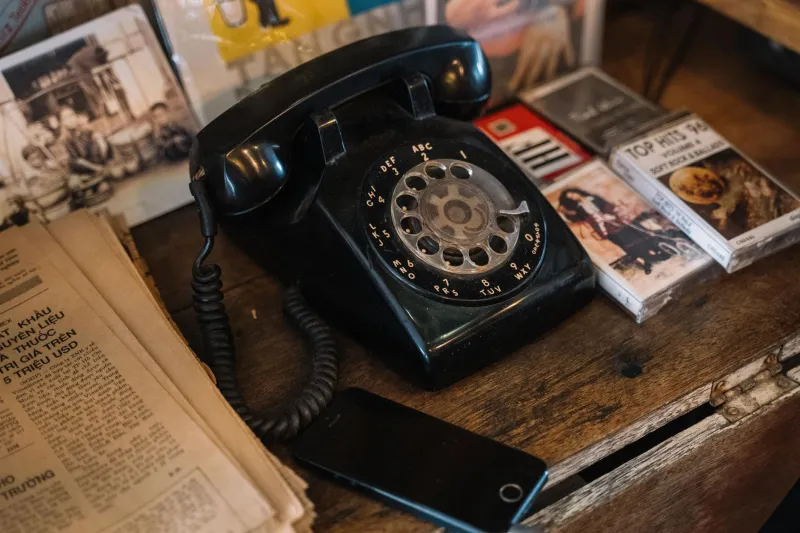
A growing number of digitally fried Americans are ditching their smartphones in favor of vintage rotary and push-button phones — and no, they're not joking. The intentional inconvenience is kind of the whole point. Turns out, when calling someone takes actual effort, you only call people you actually want to talk to.
Somewhere in America right now, a millennial is spending $300 to fix a laptop that originally cost $400, and they couldn't be happier about it. The dead-laptop restoration trend is real, it's growing, and it makes complete emotional sense once you understand what these machines actually meant to us.
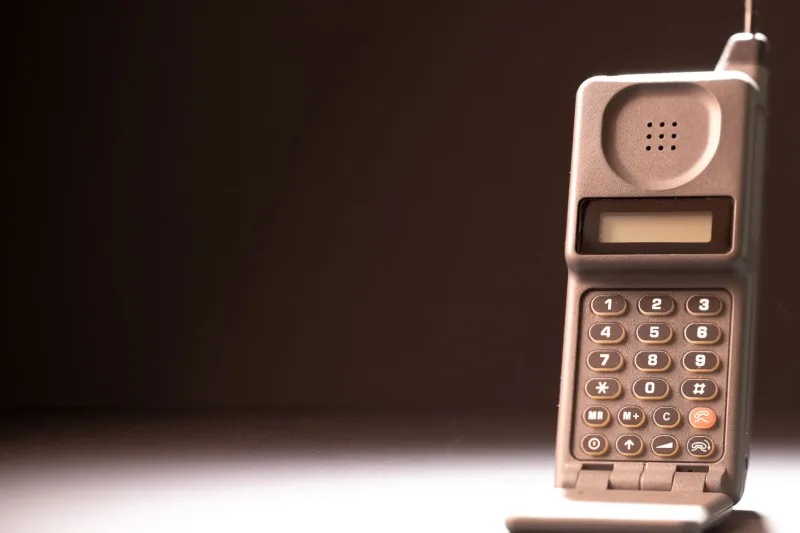
Somewhere between the death of the headphone jack and the fifteenth app asking for your location, a quiet rebellion started snapping shut. Gen X and older millennials are ditching their glowing anxiety rectangles for flip phones — and they are absolutely not apologizing about it.
Before YouTube walkthroughs and Reddit threads, there were instruction manuals — those glossy, lovingly illustrated booklets that came stuffed inside every game box. Nobody read them cover to cover, yet somehow collectors are now paying $50, $75, even $100 for pristine copies. Welcome to the most gloriously absurd corner of the retro gaming market.
Somewhere right now, a millennial is spending their Saturday manually dragging vacation photos from 2009 into a folder called '2009 > Summer > Beach > Myrtle Beach > Day 2 (Good Ones).' Google Photos could do this in four seconds. They don't care. This is who they are now.
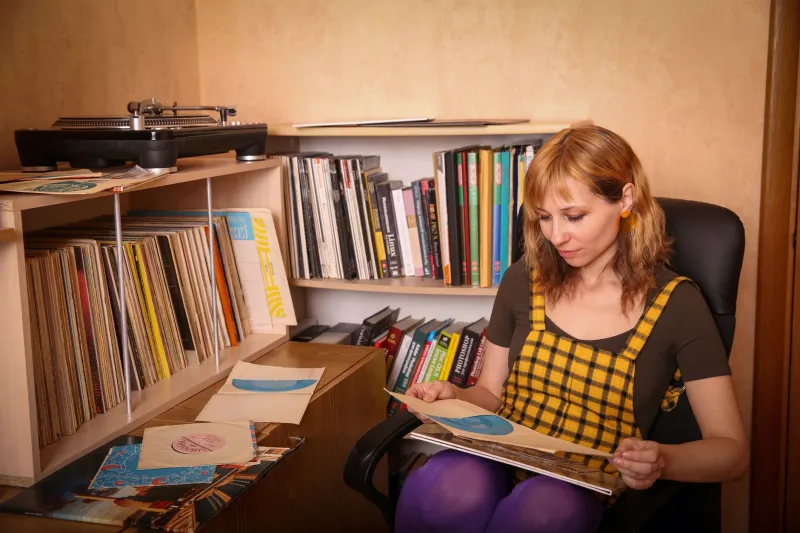
Somewhere between the first crackle of a needle hitting a groove and the forty-seventh IKEA Kallax unit shoved into a spare bedroom, something clicked for a generation raised on Napster and MP3 blogs. Millennials and Gen Xers are ditching unlimited streaming for the warm, inconvenient, gloriously analog world of vinyl records — and their floor joists are paying the price. We talked to the collectors, the obsessives, and the partners quietly googling 'storage unit rental near me' to figure out wh
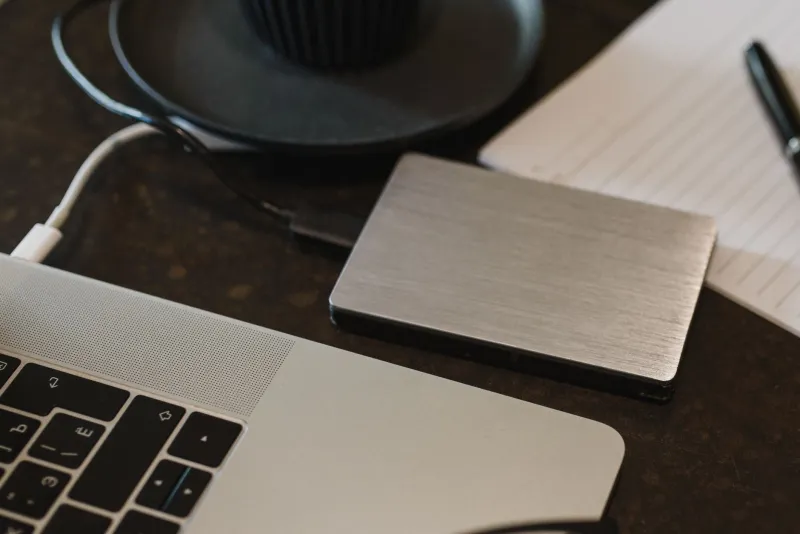
Somewhere in America right now, a millennial is hunched over a dusty external hard drive, weeping softly at a folder labeled 'DONT OPEN' from 2007. The great hard drive excavation trend is real, it's therapeutic, and it is absolutely unhinged. Grab a USB adapter and your emotional support beverage — we're going in.
Forget the cloud. A growing number of millennials are ditching chaotic digital sprawl and rebuilding their file systems with the kind of obsessive, hierarchical precision that would make a Compaq-owning office manager weep with pride. Turns out the rigid folder logic of the floppy disk era is exactly what the algorithm-addled brain craves.
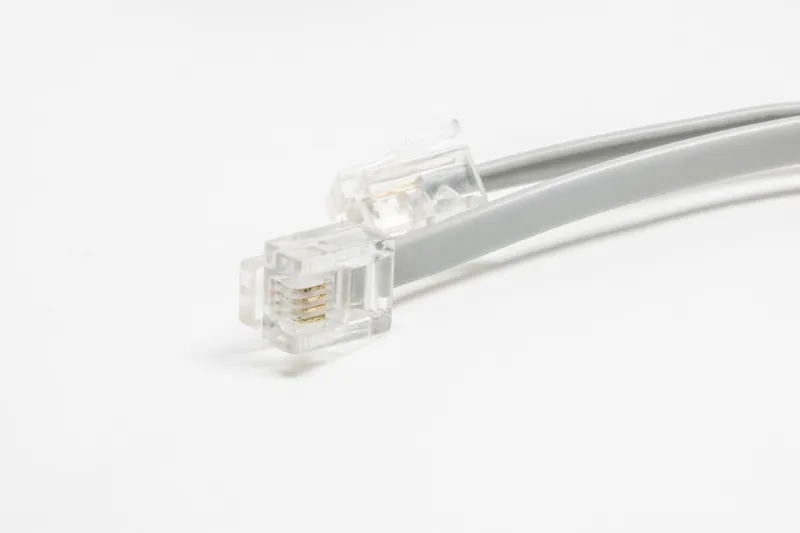
Dial-up internet was objectively terrible. It tied up your phone line, took eleven minutes to load a JPEG of a cat, and disconnected the moment your mom picked up the receiver. So why are Gen X and millennials getting genuinely misty-eyed about it?
Once the most mocked piece of junk mail in American history, AOL installation CDs are now changing hands for serious money among collectors who never even used them the first time around. A booming nostalgia market has turned those shiny plastic frisbees into genuine artifacts, and the people hunting them down are absolutely not messing around. Welcome to the weirdly passionate world of ISP disc collecting.
Somewhere between digital detox and full-blown nostalgia trip, a growing community of Americans is deliberately slowing their internet to a crawl — and loving every agonizing second of it. We went deep into the rabbit hole of dial-up emulators, rebuilt modems, and the strange psychology of wanting your web browser to make you wait. Turns out friction is the new luxury.
Somewhere between a midlife crisis and a genuinely touching act of digital archaeology, thousands of millennials and Gen Xers are hunting down their original AOL, Hotmail, and Yahoo email addresses — and the reasons why are way more profound than you'd expect. It turns out your first email username wasn't just a handle. It was a whole personality. And apparently, people want it back.
Somewhere in the digital ether, xX_DarkAngel2003_Xx is still away from their keyboard. AOL Instant Messenger may have officially flatlined in 2017, but the cultural wreckage it left behind — away messages, chat logs, and screen names so embarrassing they could end careers — is being lovingly excavated by a surprisingly dedicated community of digital archaeologists. Welcome to the weird, wonderful afterlife of AIM.
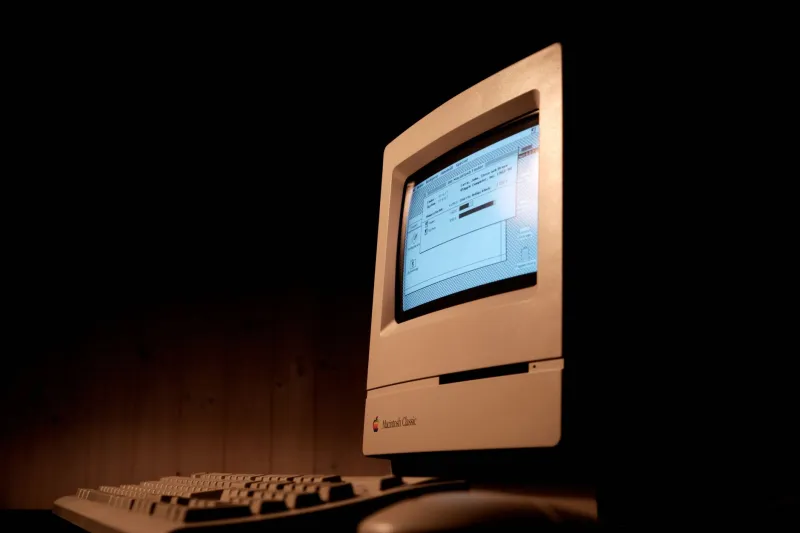
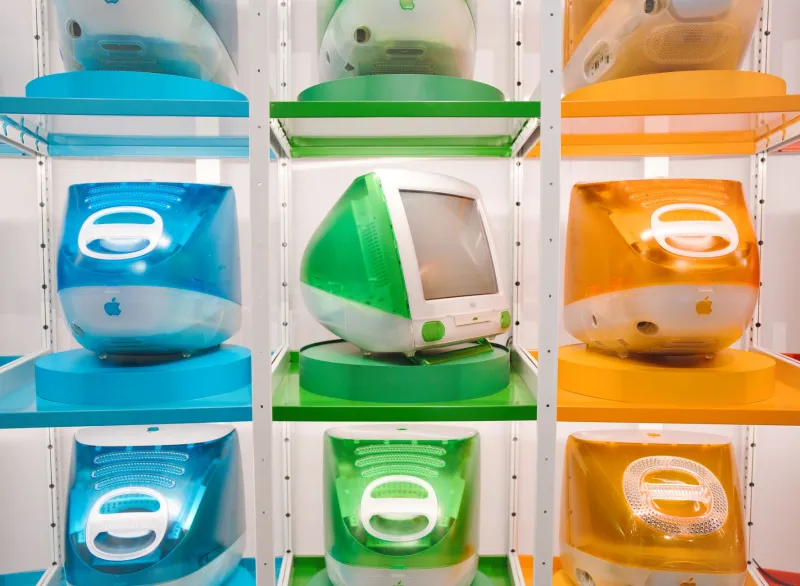
Forget sleek aluminum and RGB lighting — a growing tribe of collectors is dropping serious cash to recreate the exact desktop setup they had at age twelve, right down to the Flying Toasters screensaver. The market for period-accurate retro PC builds has exploded, and the prices are anything but vintage. We went deep into the beige-tower rabbit hole so you can understand exactly why grown adults are weeping over a 15-inch CRT monitor.
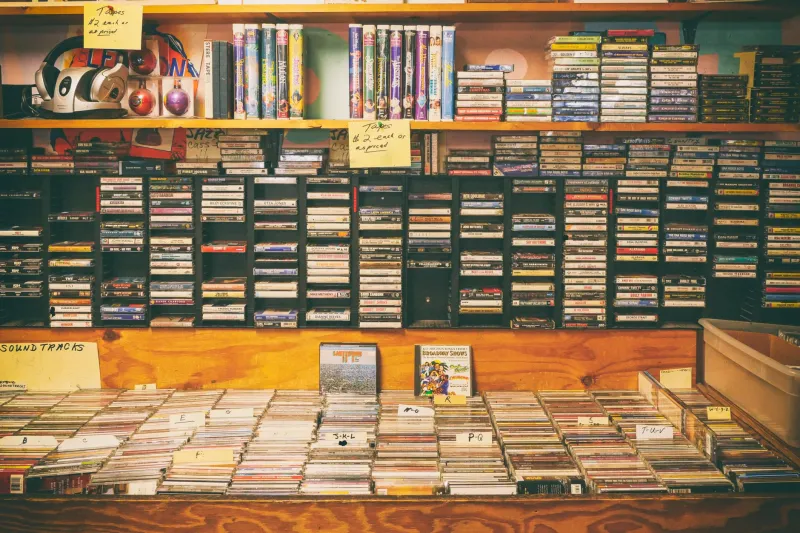
Cassette tapes were supposed to be dead. Killed by CDs, buried by MP3s, eulogized by streaming. And yet here we are in the mid-2020s, with indie musicians pressing limited-run tapes, lo-fi producers deliberately chasing that warm, wobbly sound, and Gen Z kids haunting thrift stores for Walkmans. The cassette revival is real, it's weird, and it's making actual money.
Nintendo's chunky 1989 handheld was supposed to be a footnote in gaming history. Instead, it's become the hottest piece of portable hardware on the secondhand market, outselling sleek modern rivals and inspiring a modding scene so creative it would make Gunpei Yokoi weep with joy. Here's why a gray plastic brick with a green screen is winning the future.
There's a man in suburban Minnesota who owns fourteen Commodore 64s. He is not embarrassed about this. In fact, he'd like to tell you about every single one of them, in detail, starting with the one he found at an estate sale in 2019 still loaded with a partially completed game of Oregon Trail. Welcome to the wonderfully unhinged world of vintage computer and tech collecting, where the beige is beautiful and the boot times are a feature, not a bug.
Millions of Gen X and millennial viewers are quietly staging a coup against the streaming industrial complex, one DVD box set at a time. Instead of doom-scrolling through seventeen platforms trying to remember why they signed up for Peacock, they're cracking open the plastic cases of beloved TV seasons and actually watching something they love. Turns out, owning your entertainment still slaps.