Hiss, Rewind, Repeat: The Cassette Tape's Totally Unhinged Comeback and the People Making It Happen
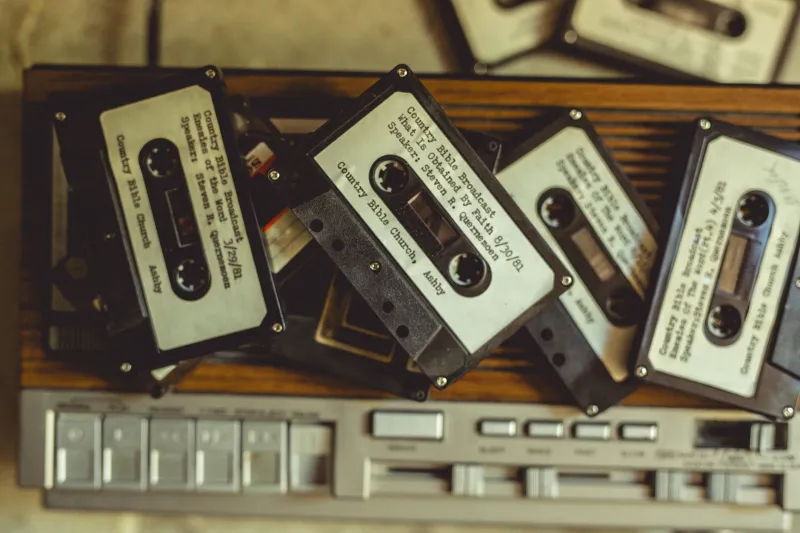
In a cramped apartment in Bushwick, Brooklyn, a 24-year-old named Priya is carefully threading a cassette tape through a Tascam Portastudio she bought for $35 at a Goodwill in Queens. The machine needed a new belt — a repair she learned to do from a YouTube video filmed in what appeared to be someone's garage in Minnesota — and now it hums along beautifully, recording her lo-fi bedroom pop directly to magnetic tape with all the warmth, flutter, and gentle hiss that a $2,000 audio plugin is currently trying very hard to fake.
Priya has 200 followers on Bandcamp. She has pressed 50 copies of her debut EP on cassette. They sold out in four days.
This is the cassette revival. It is absolutely not supposed to be happening. And yet.
A Format That Refused to Die Gracefully
To understand why cassettes are back, it helps to understand just how thoroughly they were supposed to be gone. The Compact Disc arrived in the US in 1983 and spent the next decade systematically humiliating the cassette tape in every measurable audio quality metric. Then digital downloads arrived and humiliated CDs. Then streaming arrived and humiliated everything, rendering the physical music format essentially extinct for the average listener.
And yet the Recording Industry Association of America's own data shows cassette sales have increased for eight consecutive years in the US. In 2023, approximately 1.1 million cassette tapes were sold — a number that would have seemed insane to predict in 2005, when the format was so dead that Radioshack had stopped carrying players entirely.
The artists driving this are not the major labels, though they've noticed and started pressing Taylor Swift and Harry Styles tapes to capture the collector market. The real engine of the revival is smaller and stranger: indie musicians, lo-fi producers, noise artists, punk bands, and bedroom pop acts who see the cassette not as a compromise but as an aesthetic choice.
The Lo-Fi Connection: When Imperfection Becomes the Point
Somewhere along the way, "lo-fi" stopped being a pejorative and became a genre. Lo-fi hip-hop — those YouTube livestreams of an anime girl studying to chill beats — introduced millions of listeners to the idea that music doesn't have to be pristine to be pleasurable. The gentle crackle of vinyl, the soft warble of tape, the slight muddiness of an overdriven cassette — these aren't flaws to be corrected. They're textures to be sought.
For producers working in this space, cassette tape isn't a budget compromise. It's a tool. Running audio through a cassette deck and back out introduces a specific kind of saturation, a subtle compression, a frequency roll-off in the high end that gives music a quality that engineers describe as "warmth" and that listeners describe as "it just sounds right somehow."
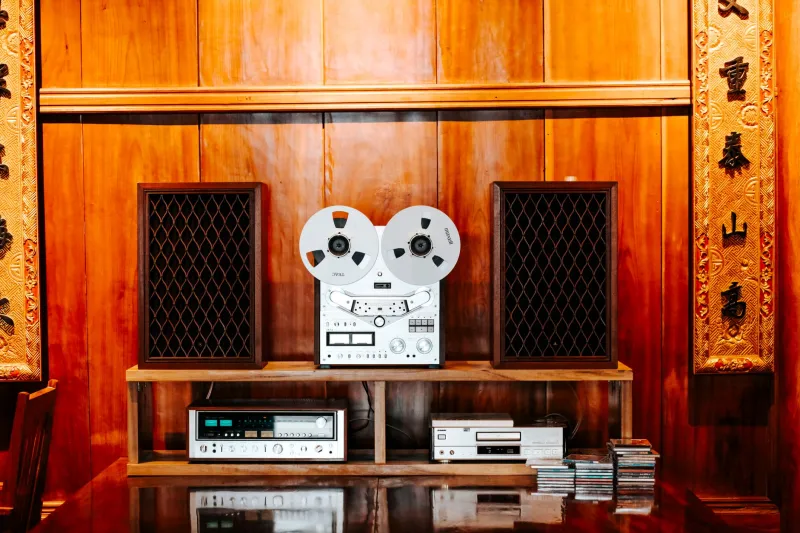
Beats producers on SoundCloud have entire workflows built around tape degradation. Some run their beats through a deck deliberately — recording hot, letting the tape saturate, then re-recording the playback. Others collect specific models of tape deck known for their particular sonic character. The Nakamichi Dragon. The Sony TC-K615S. The Technics RS-B965. These machines have fan communities the way vintage guitar amplifiers do.
"People spend thousands of dollars on plugins trying to recreate what a $40 thrift store tape deck does naturally," says Jerome, a producer based in Atlanta who releases instrumental hip-hop tapes under the name Magnolia Dust. "I find that genuinely funny. And also profitable."
The DIY Press: Running a Cassette Label in Your Spare Bedroom
The infrastructure supporting the cassette revival is delightfully scrappy. Unlike vinyl, which requires specialized pressing plants with long lead times and significant minimum orders, cassettes can be duplicated in relatively small batches by a handful of specialty duplicators around the country — or even at home, using a dual-well dubbing deck and a stack of blank tapes.
Small cassette labels have proliferated accordingly. Operations like Bridgetown Records in Portland, Already Dead Tapes in Chicago, and Illuminated Paths have built real audiences releasing music on cassette in runs of 50 to 300 copies, often with hand-stamped j-cards (the paper inserts inside the case) and individually numbered shells. The limited quantity isn't just a manufacturing reality — it's a selling point. Scarcity creates desirability. A sold-out tape becomes a collectible.
The economics, while modest, actually work. A cassette duplicator charges roughly $2 to $4 per unit for small runs. A blank tape and j-card printing might cost another dollar or two for DIY operations. Retail price on Bandcamp or at a record store: $8 to $15. For an indie artist with a dedicated fanbase, a 100-copy run can turn a meaningful profit while also functioning as a physical artifact that fans actually want to own.
"I make more money per unit on cassettes than I do on streams," says Priya matter-of-factly. "Spotify pays me fractions of a cent. A tape sale pays me $7 after fees. The math is not complicated."
Thrift Store Archaeology and the Walkman Hunters
On the consumer side, the cassette revival has spawned an entire subculture of hardware hunters. Vintage Walkmans — particularly the Sony WM series from the late 1980s — have become legitimately coveted objects. The Sony WM-DD33, with its direct-drive motor and Dolby B noise reduction, sells for $100 to $200 on eBay in good working condition. The legendary Sony WM-D6C, a semi-professional Walkman that audiophiles have cherished for decades, regularly fetches $300 to $500.
Thrift stores across the country have become hunting grounds for tape decks and players, with dedicated communities on Reddit (r/cassetteculture, r/walkman) sharing finds and repair tips with the enthusiasm of people who have found religion. The repair skills required — replacing belts, cleaning heads, demagnetizing tape paths — have become a point of pride, passed down through YouTube tutorials and forum posts with the gravity of ancient craft knowledge.
For Gen Z participants especially, there's something meaningful about owning and maintaining a physical audio device. In a world of software that updates itself and devices that can't be opened without voiding warranties, a cassette Walkman is refreshingly, defiantly fixable.
The Mixtape Rides Again
And then there's the mixtape — perhaps the cassette's most culturally resonant legacy. The act of curating a sequence of songs, recording them in real time, and handing a physical object to someone as a gesture of affection or friendship is something that playlists, for all their convenience, have never quite replaced. The effort matters. The impermanence matters. The fact that the tape might stretch or eat itself at some point matters, in a bittersweet way that a Spotify link never could.
Tape-making kits are selling briskly on Etsy. Blank cassettes — once landfill-bound — are being hoarded by hobbyists. TDK SA-90s and Maxell UR-90s are changing hands for prices that would have seemed absurd in 1998.
The cassette was supposed to be a dead format. Instead it became a canvas — for indie musicians who can't afford vinyl, for producers chasing analog warmth, for collectors who want something they can hold, and for romantics who still believe that the best way to tell someone you care about them is to make them a tape.
Press play. Let it hiss. That's not a flaw. That's the whole point.