Floppy Disks and Feelings: Inside the Obsessive World of Vintage Computer Collecting
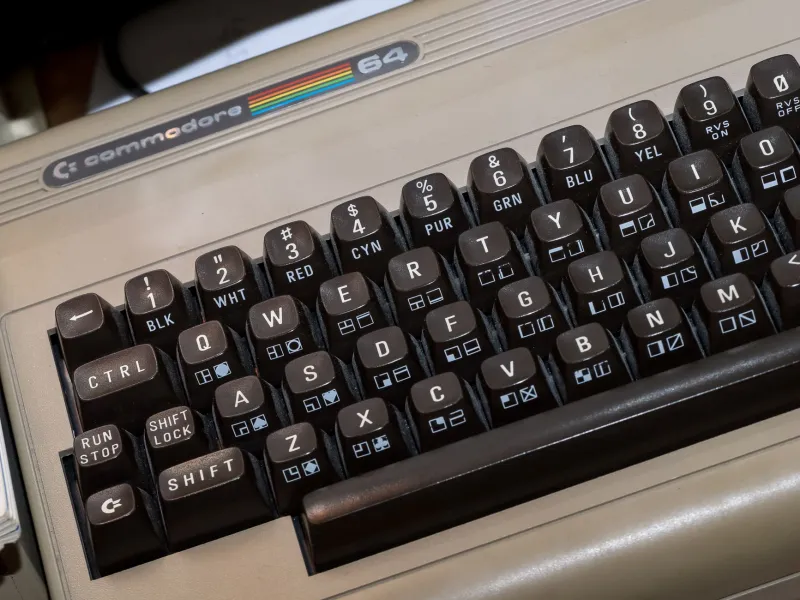
Before we go any further, let's establish something important: vintage computer collecting is not a rational hobby. No reasonable adult needs a working Apple IIe, a translucent teal iBook G3, or a Commodore 64 with a functioning datasette drive. The electricity to run these machines costs more than their original retail price adjusted for inflation. The software is available for free online through emulation. And yet — and this is the part that collectors will tell you with complete sincerity — it's just not the same.
They're right, by the way. It's absolutely not the same.
Why Old Computers Are Having a Moment
The vintage tech collecting scene has been quietly building steam for years, but somewhere around the early 2020s it crossed a threshold from niche obsession into legitimate collector's market. Prices on eBay for working Commodore 64s have climbed steadily — a fully functional unit with power supply and original box can now fetch $150 to $300 depending on condition, up from the $30-to-$50 range that was standard a decade ago. Apple's early consumer machines — particularly the colorful iMac G3s and the clamshell iBook laptops from the late '90s — have become genuine design objects that people display as much as use.
The early IBM PC compatibles, the Tandy 1000s, the Atari 800s and ST line, the Amiga 500 and its devoted cult following — all of it is appreciating. Not at comic book or baseball card rates, but steadily, meaningfully, in a way that suggests this isn't a passing trend.
So what's driving it? A few things, operating simultaneously.
First: the people who grew up with these machines are now in their 40s and 50s, have disposable income, and are experiencing the particular ache of wanting to touch the thing that made them fall in love with technology in the first place. A Commodore 64 isn't just a computer to someone who learned to type on one — it's a time capsule, a sensory trigger, a rectangular beige portal back to being ten years old and discovering that you could make a computer do exactly what you told it to.
Second: the machines are genuinely interesting. Not in a "interesting for their age" way, but intrinsically fascinating as objects. The design decisions, the hardware limitations that forced creative solutions, the way early software developers essentially performed miracles within absurd constraints — there's real intellectual depth here that modern computing, for all its power, doesn't always offer.
Third: they look incredible on a shelf. The aesthetics of late '70s through early '90s computing — all that cream-colored plastic, the chunky keyboards, the satisfying clunk of a mechanical key — have aged into something that reads as genuinely cool in a way that a sleek aluminum MacBook never will.
The Machines People Are Hunting
Different collectors fixate on different eras and ecosystems, and the community has developed its own distinct tribes.
The Commodore faithful are perhaps the most passionate subset of the hobby. The C64 is the best-selling personal computer model of all time, and its combination of accessible hardware, robust software library, and that iconic SID sound chip has kept a devoted global community active for decades. Finding a working C64 with original peripherals — especially a 1541 disk drive in good condition — is considered a solid score. Finding one with original software still in the box crosses into treasure territory.
The Apple archaeologists tend to skew toward the design-conscious collector. The original 1984 Macintosh, with its all-in-one form factor and tiny screen, is the holy grail — a working unit in good cosmetic condition can command $500 or more. But the more accessible entry points are the colorful era of Apple's Jobs 2.0 period: the iMac G3 in Bondi Blue or Grape or Tangerine, the iBook clamshell in blueberry or lime. These machines are visually spectacular and increasingly scarce in working condition.
The DOS devotees are after the IBM PC compatibles and their clones — machines running MS-DOS that represent the foundation of the computing world most American offices and households eventually landed in. These collectors often have a specific goal: running a particular piece of software on period-correct hardware, whether that's a business application, an early game, or a programming environment. There's something almost archaeological about booting up a 1987 Compaq Portable and watching it wheeze to life.
The handheld historians collect early laptops and portable computing devices — the Grid Compass, the Osborne 1, the original ThinkPad line, the various iterations of the PowerBook. These are often the most mechanically fragile machines, and finding one that still boots is a genuine victory.
What It's Actually Like to Use These Things
Here is where we must be honest with you: using a vintage computer in 2024 is an experience that oscillates wildly between meditative joy and absolute madness.
The boot times alone will reframe your entire relationship with patience. A Commodore 64 loading a game from a 5.25" floppy disk is not a fast process. Neither is getting a 1993 laptop to recognize a piece of hardware it was never designed to interact with. The collector community has developed workarounds — SD card adapters that emulate floppy drives, WiFi modules for machines that predate the internet, modern CRT monitors that accept legacy signal inputs — but every solution opens three new questions.
And yet. Sitting down at a machine that has no notifications, no browser, no app updates demanding attention, no algorithmic feed optimized to keep you engaged — there's a focus that happens almost immediately. The constraint is the feature. You can only do what the machine allows, and what it allows is weirdly liberating.
Dave, a 47-year-old software developer from Austin, Texas, keeps a working Amiga 1200 on his desk specifically for this reason. "When I sit down at that machine, I'm not going to check email. I'm not going to get a Slack notification. I'm going to do the thing I sat down to do, and that's it. It's the most productive two hours of my week."
Getting Started Without Losing Your Mind (Or Your Savings)
If vintage tech collecting sounds like your particular flavor of chaos, here's how to approach it without immediately bankrupting yourself on a non-working Apple Lisa:
Define your era. What period of computing actually means something to you? The machine you're going to enjoy most is the one connected to a real memory — the computer in your elementary school library, the one a parent brought home from work, the one you begged for and never got.
Check the power supply first. Vintage power supplies are the most common failure point in old hardware, and a bad one can damage otherwise healthy components. The collector community has extensive resources on which machines need PSU recapping or replacement before powering on.
eBay, local Facebook Marketplace groups, and estate sales are your primary hunting grounds. Local finds are almost always better priced than eBay listings because sellers don't always know what they have. Be patient. Be respectful. Show up.
Join the community before you buy. Forums like Vintage Computer Federation, subreddits dedicated to specific platforms, and YouTube channels run by obsessive collectors will save you from expensive mistakes and connect you with people who will genuinely help you.
The beige boxes are waiting. Somewhere in a garage, in a storage unit, in a thrift store back room, there's a machine that booted up in 1988 and hasn't been turned on since. It might boot again. It might not. Either way, it has a story — and the collectors who hunt these things down are, at their core, just people who think that story is worth preserving.
Which, honestly? It is.