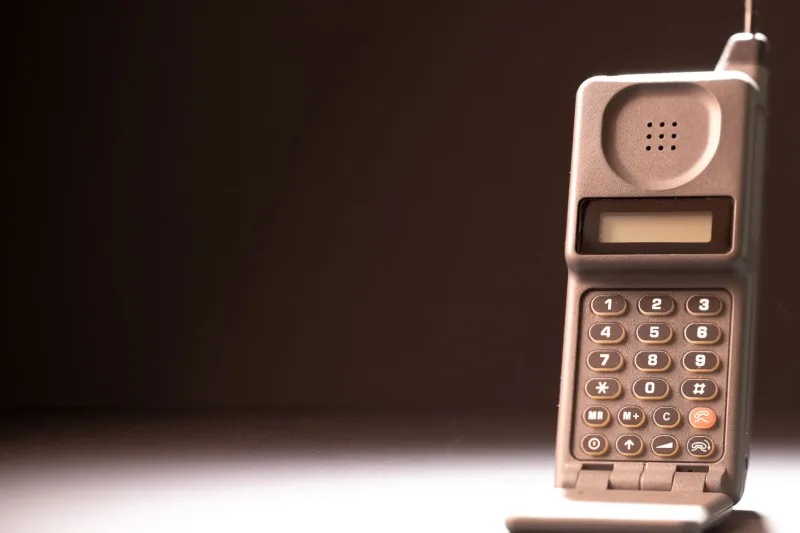
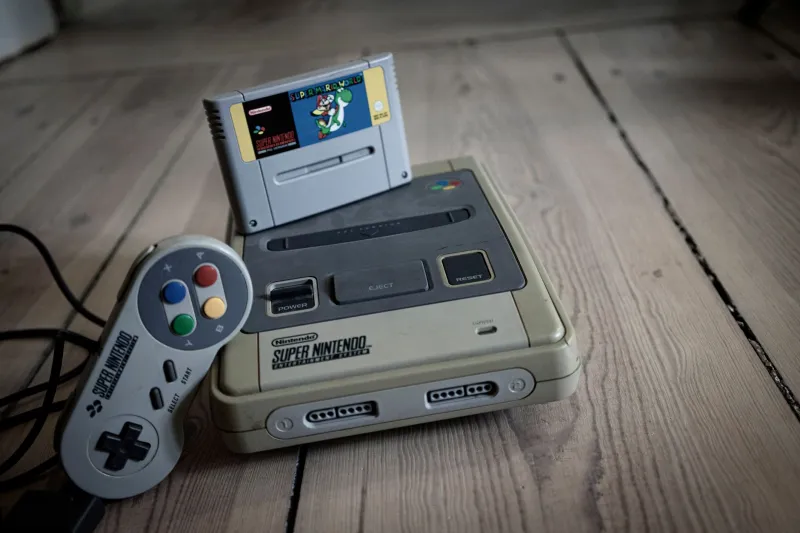
Cracked Screens and Closure: The Obsessive New Trend of Resurrecting Dead Laptops From the Digital Stone Age
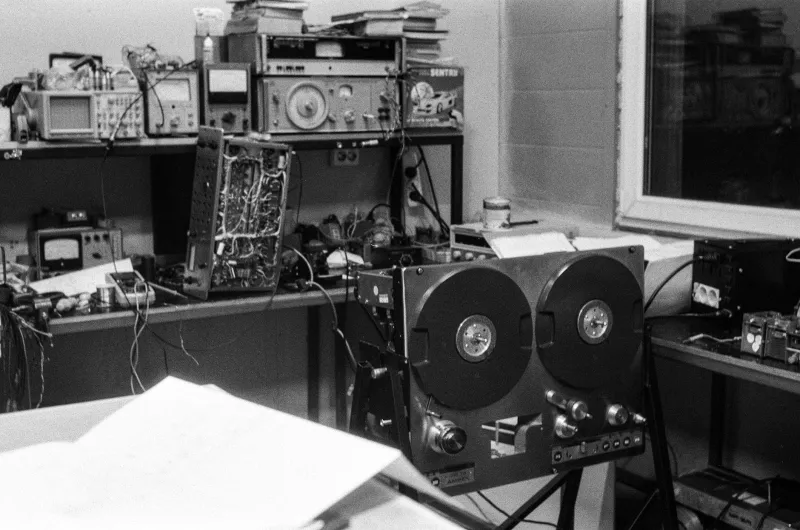
Let's set the scene. It's a Tuesday evening. A 38-year-old project manager named Derek is hunched over a workbench in his garage in Columbus, Ohio, carefully replacing the thermal paste on a 2008 Dell Inspiron that hasn't booted since the Obama administration. He has spent $240 sourcing parts from eBay, watched eleven hours of YouTube repair tutorials, and burned through two cans of compressed air. His current laptop — a sleek, featureless MacBook that does everything instantly and feels like holding a bar of expensive soap — sits untouched on the kitchen counter.
Derek is not having a breakdown. Derek is having the time of his life.
Welcome to the dead-laptop restoration movement, a hobby that sounds like a cry for help but is actually one of the most emotionally coherent things happening in tech culture right now.
The Graveyard Shift
Thrift stores, Facebook Marketplace, and eBay are absolutely lousy with deceased machines from the 2000s and early 2010s — chunky ThinkPads with stuck keys, bloated HP Pavilions with cracked hinges, Gateway laptops that were already slow when they were new. For years, these things sat in donation bins and storage units, written off as e-waste. Then something shifted.
Restorers started picking them up. Not to flip them for profit, not to run some niche Linux distro for clout, but to fix them — to bring them back from the dead and actually use them, at least for a while. Communities on Reddit, YouTube, and Discord have exploded around the practice. Channels dedicated to ThinkPad restoration alone have racked up millions of views. The comment sections read less like tech forums and more like group therapy.
"I found my old Toshiba Satellite at a Goodwill for eight bucks," one user posted in a popular restoration subreddit. "Spent about $180 getting it running again. Found my college thesis, 4,000 photos from a road trip I'd half-forgotten, and a playlist I made for someone I used to love. Worth every penny."
That last sentence is doing a lot of heavy lifting. And it's the whole point.
It's Not About the Laptop
Here's the thing nobody wants to say out loud but everyone already knows: this isn't really about computers. It's about time.
The laptops of the mid-2000s to early 2010s occupy a very specific emotional real estate for millennials and older Gen Z. These were the machines we carried through college, hauled to coffee shops before every coffee shop looked identical, used to build the first version of our adult identities. They were heavy, loud, ran hot enough to scorch your thighs, and crashed with spectacular regularity. We loved them anyway.
More importantly, they were local machines. Your stuff lived on them. Not in some ambient cloud you access from any device, but physically, on a spinning hard drive inside a plastic chassis you could hold. Your music library. Your half-finished novel. Your photo folders organized with whatever chaotic logic made sense to 22-year-old you. That data felt yours in a way that a Google Drive folder just doesn't.
Restoring one of these laptops isn't just a repair project. It's an archaeological dig with a power adapter.
The Satisfying Weight of Real Hardware
There's also something deeply tactile happening here that's hard to dismiss. Modern laptops are engineering marvels, sure — impossibly thin, blindingly fast, practically silent. They're also profoundly unsatisfying to interact with on a physical level. The keyboards feel like typing on a slightly warm countertop. The chassis flex when you pick them up wrong. There's nothing to grab, nothing that clicks with any authority, nothing that feels like it was built to last.
A 2006 ThinkPad T60, by contrast, feels like a piece of infrastructure. The keyboard — IBM-designed, legendarily tactile — is still better than anything shipping today. The chassis is magnesium alloy. The whole machine communicates a kind of stubborn durability that modern ultrabooks simply don't bother with. Picking one up and feeling it snap back to life after a successful restoration delivers a satisfaction hit that no software update has ever managed to replicate.
"It's the same reason people restore old cars," says one restorer who goes by the handle RetroWrench on YouTube, where his ThinkPad teardown videos routinely pull 200,000 views. "You want to feel the thing. You want to understand how it works. You want the object to have a soul."
Modern devices, for all their power, have been systematically stripped of soul in the name of thinness and margin.
The Files Are the Real Treasure
Ask any laptop restorer what the best part of the hobby is, and they'll almost universally say the same thing: the moment the old hard drive mounts and the files come back.
The pre-cloud era was, in retrospect, a golden age of accidental archiving. We saved everything locally because there was nowhere else to save it. Documents, downloads, half-edited photos, music ripped from CDs at variable bitrates, AIM chat logs exported on a whim — it all just sat there on spinning platters, waiting. When a laptop died, that stuff didn't disappear. It just went quiet.
Restoring the machine — or even just pulling the drive and mounting it in an enclosure — is like finding a time capsule you accidentally buried. Restorers report discovering forgotten creative projects, old correspondence with people they've lost touch with, early drafts of things that eventually became important to them. One woman described finding a folder of photos from her late father's last visit, images she didn't know existed, on a laptop she'd written off as dead for nine years.
The cloud is convenient. It is not this.
The Repair Itself Is the Point
Beyond the files and the nostalgia, there's a third thing driving this trend that's worth naming: the repair process itself has become a form of meditation.
We live in an era of planned obsolescence and sealed enclosures, where the correct response to a broken device is to buy a new one. Laptops from 2005 to 2012 were, by contrast, almost aggressively repairable — removable batteries, accessible RAM slots, hard drives held in by a single screw. Fixing one requires patience and attention, but not specialized tools or forbidden knowledge. It rewards effort in a way that feels increasingly rare.
For a generation that came of age being told they could fix things, then entered an adulthood full of objects specifically designed not to be fixed, there's something quietly radical about sourcing a $4 keyboard replacement and snapping it into place yourself.
Derek, back in his Columbus garage, finally gets the Inspiron to POST. The fan spins up. The boot screen appears. He pumps his fist like he just scored in overtime.
The MacBook on the kitchen counter doesn't even notice.