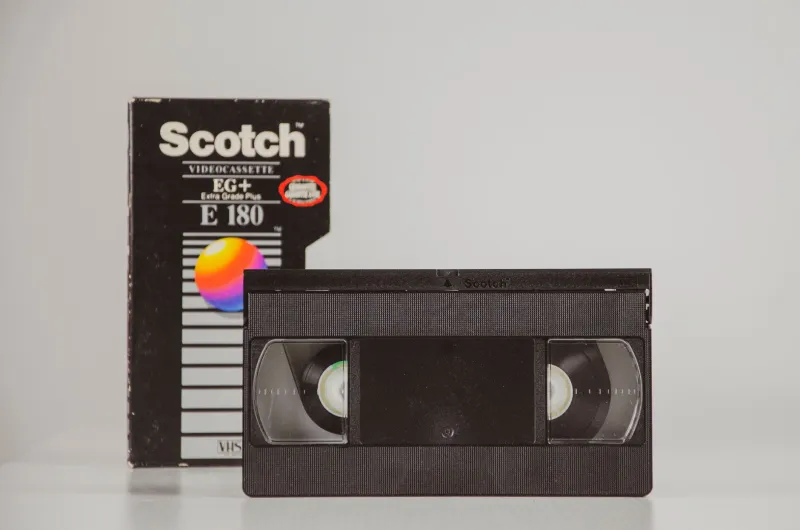
Be Kind, Rewind, and Please Stop Hovering: The Sacred Unwritten Rules of the Video Rental Store
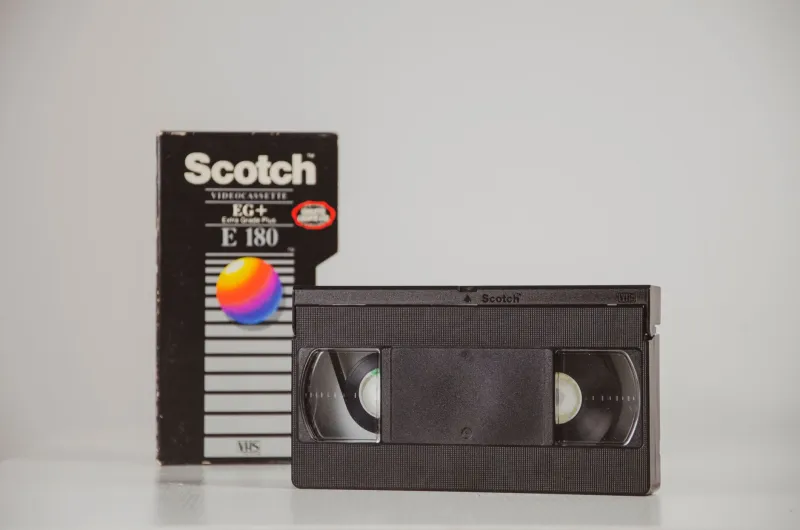
There was a specific kind of desperation that only existed on Friday evenings between roughly 1988 and 2004. You'd pile into the family station wagon, pull into the Blockbuster parking lot, and immediately clock the situation: full lot, lights blazing, approximately forty-seven other families with the exact same idea. The weekend was officially on the line.
What followed was not merely a trip to a store. It was a social event, a negotiation, a treasure hunt, and — for anyone who worked behind that counter — something closer to crowd control at a particularly low-stakes sporting event. The video rental store was its own civilization, complete with customs, hierarchies, and a set of unwritten rules so universally understood that violating them marked you immediately as someone who simply did not get it.
Streaming services have given us convenience, sure. But they took something in return. And it's time we talked about exactly what that was.
Rule One: You Did Not Touch the New Release Wall Casually
The new release section was sacred ground. Those VHS boxes lined up spine-out on the right wall (always the right wall, for some reason — was that a corporate mandate?) represented the highest-value real estate in the entire store. You approached with purpose. You scanned fast. You grabbed.
Browsing the new releases like you were at a farmer's market — picking things up, reading the back, putting them down, picking up another one — was a violation of the social contract. People were waiting. There was an invisible queue operating on vibes and eye contact alone, and if you disrupted it, the store clerk behind the counter absolutely noticed and quietly judged you.
The unspoken rule: if you picked it up and read the back, you were committed. Put it back and someone else would swoop in before you could change your mind.
Rule Two: The Clerk's Recommendation Was Law
Video store employees occupied a peculiar cultural niche. They weren't quite cinephiles, weren't quite retail workers — they were something in between, a class of human who had genuinely watched everything in the building and had opinions about all of it.
A good store clerk recommendation could make your entire weekend. "You guys liked The Fugitive? Here, take The River Wild, trust me." And you did trust them, because they'd earned it. These were people who'd sat through the straight-to-VHS section out of professional obligation and could tell you, with authority, which Steven Seagal movie was actually worth your time.
Former Blockbuster employee Marcus, who worked at a store in suburban Ohio through most of the late '90s, puts it plainly: "We knew our regulars. We knew what they liked before they did. When someone came in and said 'I don't know what I want,' that was the best part of the job. That was our moment."
Ignoring a clerk's recommendation after asking for one? That was rude. That was like asking for directions and then making a U-turn while they were still talking.
Rule Three: Friday Night Was Not the Time for Indecision
Monday through Thursday, you could take your time. Wander the aisles. Read the backs of boxes you had no intention of renting. Tuesday night at Blockbuster had a meditative quality — quiet, unhurried, the faint smell of carpet and plastic clamshell cases.
Friday night was a different organism entirely.
Friday night had energy. Friday night had families splitting up to cover more ground simultaneously. Mom in the Drama section, Dad hovering near Action, kids in the back by the video games making a case for Mortal Kombat for the fourth consecutive week. Friday night required a plan. You didn't show up on a Friday without a backup title in mind, because your first choice was going to be gone. It was always gone. This was a universal law as reliable as gravity.
The rule: come prepared, move efficiently, and if your first three picks were all checked out, accept it with grace and pivot to the Comedy section like an adult.
Rule Four: Late Fees Were Shameful, But Everyone Had Them
Let's address the elephant in the room that ultimately helped kill Blockbuster: the late fee. That little slip of paper in the return slot was a cultural touchstone of shame and negotiation. You'd walk up to the counter to rent your Friday movies and the clerk would tap a few keys and give you that look — the one that said your account had a balance.
The late fee was simultaneously the most hated and most accepted feature of video store life. You paid it, you grumbled, you promised yourself it wouldn't happen again. It always happened again. Braveheart was three hours long and the weekend got away from you.
What's interesting, in hindsight, is that the late fee created a sense of accountability that streaming has completely erased. You had a relationship with that store. A record. A history. If you were a chronic late returner, they knew. There was social friction built into the system, and that friction, weirdly, made the whole thing feel more real.
"The late fee was the price of commitment," argues one longtime customer who estimates she spent upward of $200 in late charges at her local Hollywood Video over five years. "You didn't just click something on and forget about it. You had actual stakes."
Rule Five: The Back Room Was a Different Country
Every video rental store had one. Sometimes it was behind a beaded curtain. Sometimes it was just a separate room with a sign that made its purpose abundantly clear to anyone over seventeen. The Adults Only section operated by its own separate social code, and the unwritten rule was simple: you did not make eye contact with anyone entering or exiting, and they extended you the same courtesy.
It was a remarkably civilized arrangement.
What Streaming Took From Us
Here's the honest truth: Netflix and its streaming siblings didn't just replace the video store. They replaced an experience — and experiences don't have direct substitutes.
Browsing a streaming service is an act of passive consumption. An algorithm shows you things it thinks you want. The discovery is curated, pre-filtered, optimized for engagement. You're not hunting. You're being fed.
Browsing a video store was active. Physical. You held the box. You read the back. You made a bet with your Friday night based on cover art and a two-sentence synopsis. Sometimes you lost that bet spectacularly. Sometimes you found something you'd never have otherwise watched and it became a movie you still think about twenty years later.
That serendipity — the happy accident of the video store — is genuinely gone. And no amount of "you might also like" recommendations will bring it back.
So here's to the fluorescent lights, the carpet smell, the empty box on the shelf where Die Hard used to be, and the clerk who talked you into something instead of going home empty-handed.
Be kind. Rewind. And for the love of everything, stop hovering by the new releases.