Toons on Trial: We Rewatched 12 Saturday Morning Cartoons So You Don't Have To
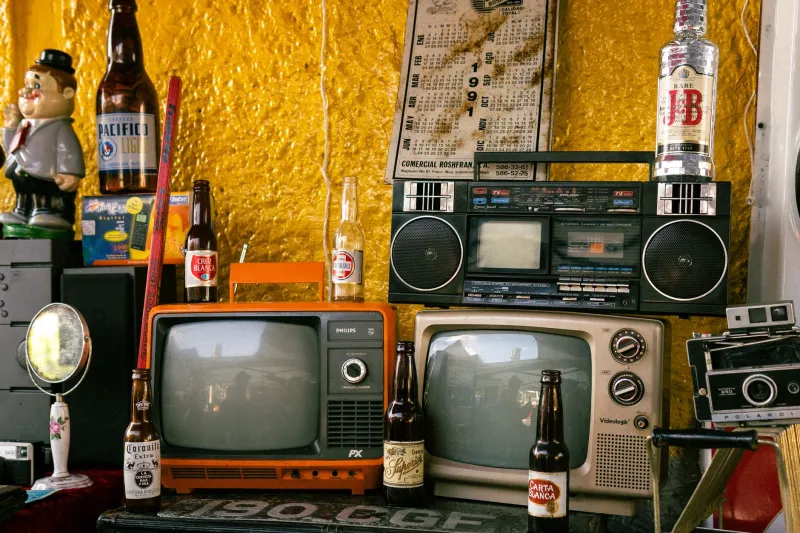
There was a ritual to it. The alarm clock you actually wanted to hear. The scramble to the living room in your pajamas. The careful construction of a cereal-to-milk ratio that your parents definitely would have disapproved of. And then, for three or four glorious hours, the television belonged entirely to you.
Saturday morning cartoons weren't just entertainment — they were a cultural institution. From roughly 1966 through the late '90s, the Big Three networks (and eventually Fox Kids and the Cartoon Network) competed furiously for the eyeballs of America's youth every weekend morning. The result was a golden age of animated storytelling that shaped the imaginations of an entire generation.
But here's the uncomfortable question nobody at the nostalgia party wants to ask: do they actually hold up?
We went back and watched. Took notes. Argued about it. And now we're bringing you the unfiltered verdict.
The Tier System (Because Ranking Is Fun and Fights Are Funnier)
We sorted our picks into three tiers: Still Slaps, Nostalgia Goggles Required, and What Were We Thinking? No show was spared from honest assessment, not even the beloved ones.
Still Slaps
Tiny Toon Adventures (1990–1992) Let's start with a genuine surprise. Tiny Toons, produced by Steven Spielberg and Warner Bros., holds up shockingly well. The humor operates on multiple levels — slapstick for the kids, genuinely clever meta-humor for anyone who's seen a Looney Tunes short. The animation is expressive, the voice acting is committed, and the jokes land more often than not. You can catch it on Max, and it's worth your time even if you're pushing 45.
Batman: The Animated Series (1992–1995) Okay, technically this aired on weekday afternoons too, but its Saturday morning run was many kids' entry point, and it absolutely earns its legendary status. The art deco aesthetic, the morally complex villains, the Kevin Conroy voice that is Batman — this show was operating at a level of sophistication that most adult dramas don't reach. Stream it on Max and try not to feel something when the theme music hits.
Animaniacs (1993–1998) Yakko, Wakko, and Dot were essentially a variety show crammed into animated form, and the writing was so sharp it practically draws blood. The show's willingness to mock its own network, reference obscure historical figures, and occasionally just go completely off the rails makes it endlessly rewatchable. Hulu has the original run, and it rewards adult viewers in ways that completely flew over childhood heads.
Nostalgia Goggles Required
He-Man and the Masters of the Universe (1983–1985) Here's where honesty gets painful. He-Man felt epic when you were seven. The mythology, the power sword, Skeletor's dramatic monologuing — it was genuinely formative stuff. But revisiting it as an adult reveals animation so limited it makes a flipbook look cinematic, and plots so thin they could slide under a closed door. The moral lessons tacked onto every episode's ending are charming in a time-capsule way. Watch it for the vibes, not the craft.
Jem and the Holograms (1985–1988) Jem is truly outrageous, truly truly truly outrageous — and truly a product of its time. The fashion, the music, the melodrama: it's a lot. Fans who grew up with it will still feel the pull, and there's a legitimate argument to be made that the show handled themes of identity and authenticity with more nuance than it gets credit for. But the animation shortcuts are glaring, and the Misfits deserved better storylines. Find it on Tubi.
Teenage Mutant Ninja Turtles (1987–1996) The original cartoon is a fascinating case study in licensing-driven storytelling. It's goofy, inconsistent, and basically a 30-minute toy commercial — and yet the core concept is so fundamentally cool that it transcends its own limitations. Pizza, ninjas, giant rats, New York City sewers: the aesthetic is unimpeachable. The actual episodes? Variable. Stream it on Paramount+ and embrace the chaos.
DuckTales (1987–1990) This one genuinely hurts to place here. DuckTales had real adventure, real stakes, and Scrooge McDuck as a legitimately compelling protagonist. But revisiting it reveals some storytelling shortcuts that modern animated series have thoroughly outpaced. It's still fun — just not quite the flawless masterpiece memory insists it was. Disney+ has it, and the 2017 reboot is genuinely excellent if you want your faith restored.
What Were We Thinking?
The Biskitts (1983–1984) Small dogs protecting a kingdom from a bumbling king. That's... the whole show. We watched three episodes and felt time moving backward.
Rubik, the Amazing Cube (1983) A sentient Rubik's Cube helps a family of kids solve mysteries. We cannot stress enough that this was a real thing that existed and that children watched voluntarily.
The Littles (1983–1985) Tiny people living in the walls of a house. Fine concept. Execution so forgettable that we're already struggling to write sentences about it.
What Made the Good Ones Great
The shows that genuinely hold up share a few key qualities. They were written by people who respected the audience — even a young one. They had visual identities strong enough to survive the limitations of broadcast animation budgets. And they were willing to go somewhere emotionally, even if just for a moment.
The shows that don't hold up were, more often than not, built to sell something. Action figures, breakfast cereal, video games. That's not automatically a death sentence for quality — plenty of toy-commercial cartoons had real heart. But when the merchandise is the point and the story is the packaging, it shows.
Where to Watch Right Now
- Max: Batman: TAS, Tiny Toon Adventures, Animaniacs
- Disney+: DuckTales, Chip 'n Dale: Rescue Rangers, TaleSpin
- Paramount+: Teenage Mutant Ninja Turtles (original)
- Tubi (free!): Jem and the Holograms, He-Man, She-Ra
- YouTube: Surprisingly robust official channels for many classic series
The Verdict
Here's the thing about Saturday morning cartoons: even the bad ones gave you something. A ritual. A feeling. A shared language with every other kid who watched the same shows in their own living room across the country. That cultural connective tissue is real, even when the animation isn't.
The best of them, though — the Batmans, the Animaniacs, the Tiny Toons — those weren't just good for kids. They were just good. Full stop. And sitting down with them now, cereal optional, feels less like nostalgia and more like finally giving a great show the adult appreciation it always deserved.
Your Saturday mornings are your own again. Use them wisely.