Dumb and Proud: The Gen X Crusade to Rescue the Living Room From Smart TV Surveillance
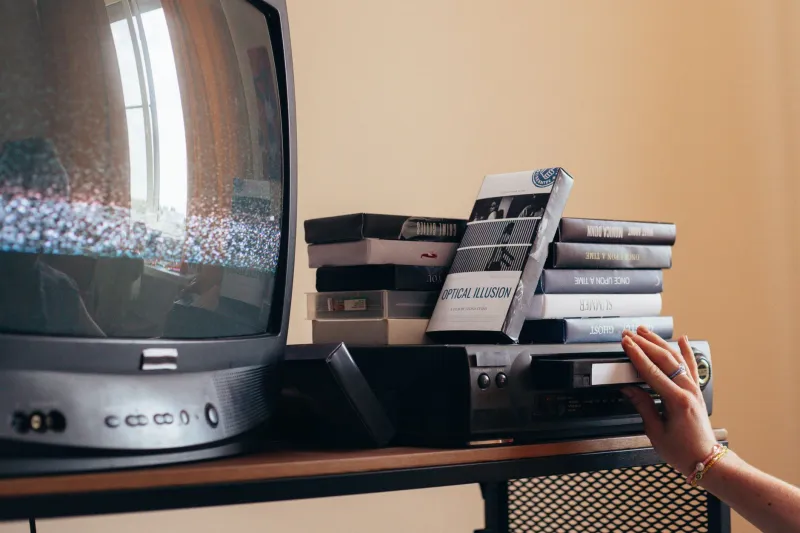
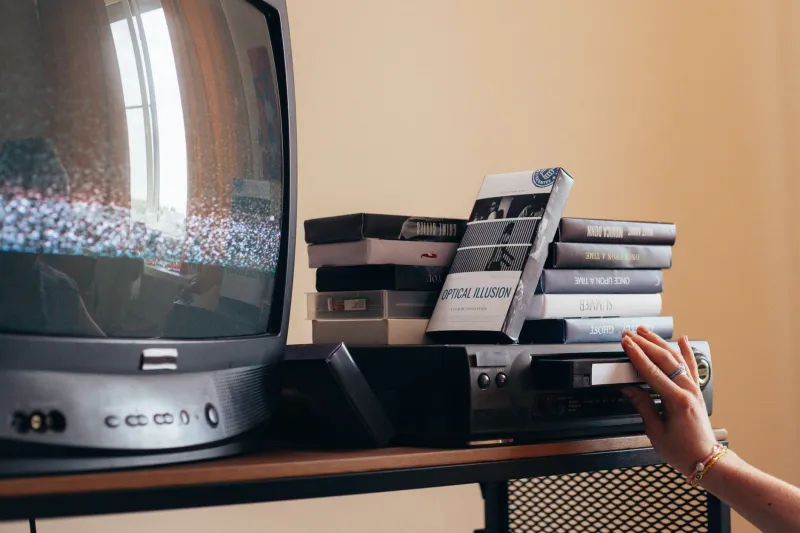
Picture this. It's 1994. You walk into the living room, pick up a remote the size of a small brick, and turn on the TV. The TV turns on. It shows you television. That's it. That's the entire transaction. Nobody is logging which channel you watched. Nobody is serving you a banner ad for mattresses before you can get to the volume button. The TV is not, in any meaningful sense, thinking.
This is the dream. And for a growing contingent of deeply fed-up Gen Xers, it's not just a memory — it's an active project.
Meet the Dumb TV people. They are buying older televisions off Craigslist and Facebook Marketplace. They are tracking down last-generation sets that predate the smart TV era. They are, in some cases, paying actual money to downgrade, and they will tell you at considerable length why this is the smartest decision they've ever made.
What Smart TVs Actually Do (And Why It's Creepy)
Before we get into the nostalgia, let's spend a moment appreciating just how aggressively modern smart TVs have overstepped their original job description.
Automatic Content Recognition — ACR, in the industry's cheerful acronym — means your TV is literally watching what you watch, capturing snippets of the screen, and reporting back to the manufacturer. Samsung, LG, Vizio: they're all doing it to varying degrees. That data gets sold to advertisers. Your viewing habits become a commodity.
Then there are the home screen ads. You press the home button to find a streaming service, and instead you get a billboard for a movie you didn't ask about. On a television you already paid for. In your own house.
And then there are the updates. The TV you bought three years ago is not the TV you own today, because the manufacturer has been quietly remodeling it in the background, adding new ad placements, removing features you liked, occasionally just breaking things.
"My TV started showing me ads on the home screen and I genuinely felt like I'd been broken into," says Kevin, a 52-year-old electrician from Nashville who subsequently purchased a 2011 Panasonic plasma from a guy in his neighborhood for $80. "I own this TV. I paid for it. Why is it showing me ads?"
Why indeed, Kevin.
The Remote as a Symbol of Power
Here's where this gets psychologically interesting, and where the Gen X angle becomes genuinely illuminating.
Gen X grew up with total, uncomplicated control over their entertainment. You had a TV. You had a remote. You had, at most, a cable box and a VCR. The chain of command was clear: you pointed the remote, the TV obeyed, end of story. Nobody in that chain had an agenda. Nobody was trying to upsell you anything. The remote was not a negotiation — it was a command.
Compare that to the modern smart TV experience, where pressing any button feels like the opening move in a chess game against a corporation that has more information about your habits than you do. The remote still looks like a remote. But what it actually controls is increasingly unclear.
"With my old set, I know exactly what's happening," says Linda, a 49-year-old from Denver who has a 2008 Sony Bravia connected to a basic cable box and a PlayStation 3 she uses exclusively as a Blu-ray player. "I press input, I get input. I press volume, I get volume. There's no layer of software between me and the TV trying to monetize my attention."
The old remote was a tool. The new remote is a UX surface. These are different things.
The Hunt
Finding a good dumb TV in 2024 requires the same kind of dedicated thrift-store archaeology that vintage record hunters will recognize immediately. You are looking for a specific thing that the market has decided to stop making, which means you are at the mercy of what other people are throwing away.
The sweet spot, according to the community that has assembled around this pursuit on Reddit and various retro tech forums, is TVs from roughly 2008 to 2014. Big enough to be genuinely watchable. Old enough to predate the smart TV arms race. Plasma and early LED sets from this era are particularly prized — the image quality holds up surprisingly well, and the software layer is either nonexistent or so outdated it can't phone home effectively anymore.
Facebook Marketplace is the primary hunting ground. Estate sales are a goldmine. The occasional thrift store score happens, though those are rarer than they used to be now that word is getting out.
Prices have crept up as the trend has gathered steam, because of course they have. A decent 42-inch plasma that would have been $30 at a Goodwill three years ago might now go for $150 to someone who knows what they're looking at. Still not bad for a television that will never, ever show you an ad for a mattress.
Dumb TV, Smart Setup
The irony, which these folks are fully aware of and largely at peace with, is that most dumb TV setups still involve some streaming. The difference is that they control the hardware. A Roku stick, an Apple TV, an old Amazon Fire Stick — these plug into the HDMI port of the dumb TV and handle the streaming duties. The TV itself remains blissfully ignorant of the internet.
This separation of concerns, as a software developer might put it, is the whole point. The streaming device can be updated, replaced, or removed. The TV just displays whatever signal it receives. The TV has one job, and it does that job without an agenda.
"I can unplug the Roku anytime," says Kevin. "Try unplugging the smart features from a smart TV. You can't. They're baked in. That's the difference."
The Bigger Picture
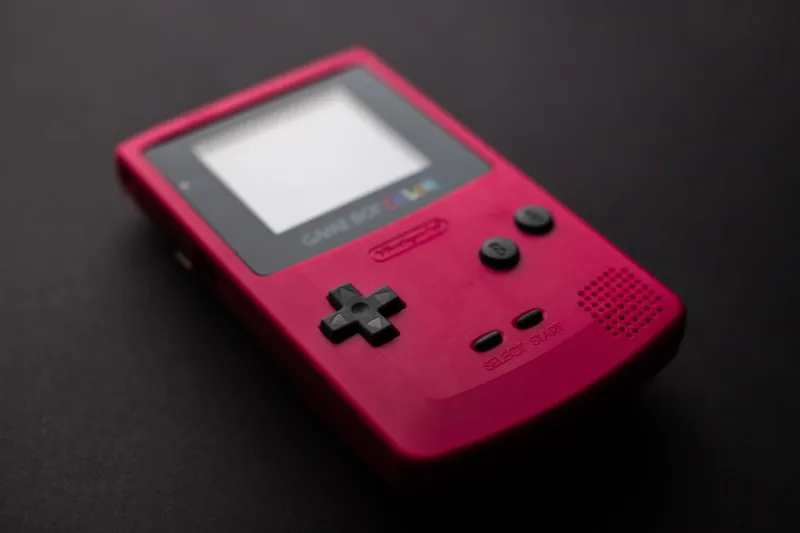
The dumb TV movement is, at its core, about the same thing that drives most retro culture: the desire for objects that do what you tell them and nothing else. A vinyl record plays music. A cartridge runs a game. A dumb TV shows you TV.
In an era when every appliance seems to want a Wi-Fi password and a subscription, that simplicity isn't just nostalgic. It's genuinely radical. Gen X learned to be skeptical of institutions in the '80s and '90s, and they're applying that same healthy suspicion to the corporation that lives inside their television.
The revolution will be televised. Just not on a smart TV.